Exploring The Worlds Between.
Complex global challenges deserve storytelling that is engaging, accessible, and grounded in lived experience. Through documentary filmmaking, on-the-ground discussions and interviews, and digital media, these projects explore the people, communities, and ideas shaping technology, development, and public policy.
Together, they demonstrate how visual media can translate research and field experiences into narratives that inform, connect, and inspire action.
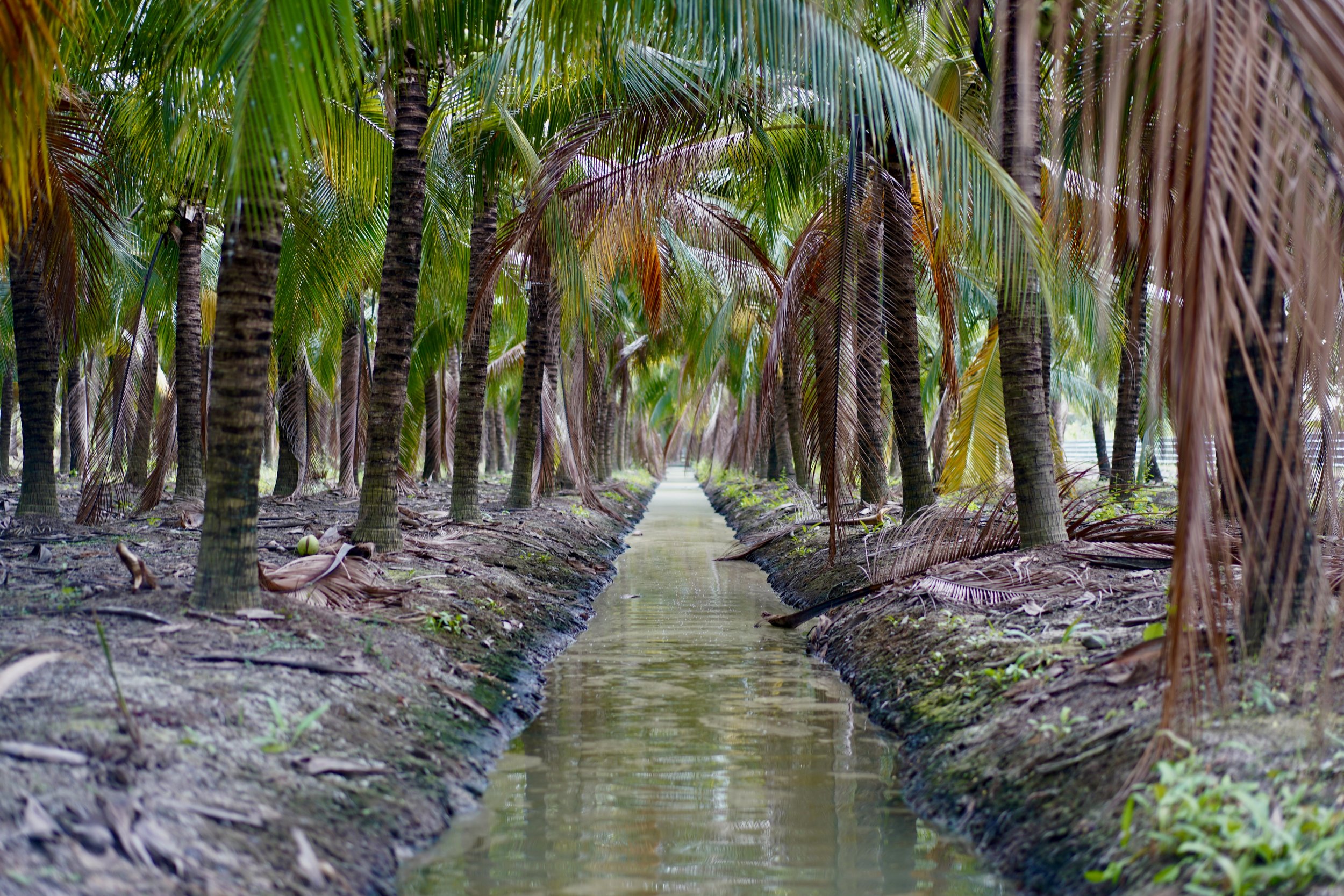
The Stories Behind Thailand’s Coconut Farms
Why are people leaving cities for farms - while younger generations are leaving farming behind?
Coconut farming plays an important role in Thailand’s economy and society. Hundreds of thousands of metric tons of coconuts are produced each year. Farmers use canal systems where coconut trees grow alongside waterways, allowing coconuts to fall directly into the water before being collected for harvest every two to three weeks - often 3,000 - 4,000 at a time.
At Sub Nai Din Farm in Samut Sakhong, just outside Bangkok, Supansa and Pechrneeon share how they left city life behind to become coconut farmers. They enjoy being close to nature and welcoming visitors to their cafe. But farming is physically demanding, and earning a sustainable living remains a constant challenge.
Their story reflects broader trends taking place across Thailand, where some are choosing rural life in search of a different and more purposeful way of living, while many younger people pursue white-collar careers and greater financial security in cities. It raises important questions about the future of agriculture, rural livelihoods, and how farming can remain both meaningful and financially sustainable.
Continue reading on LinkedIn and stay tuned for more →
https://www.linkedin.com/feed/update/urn:li:activity:7485412853156343808/
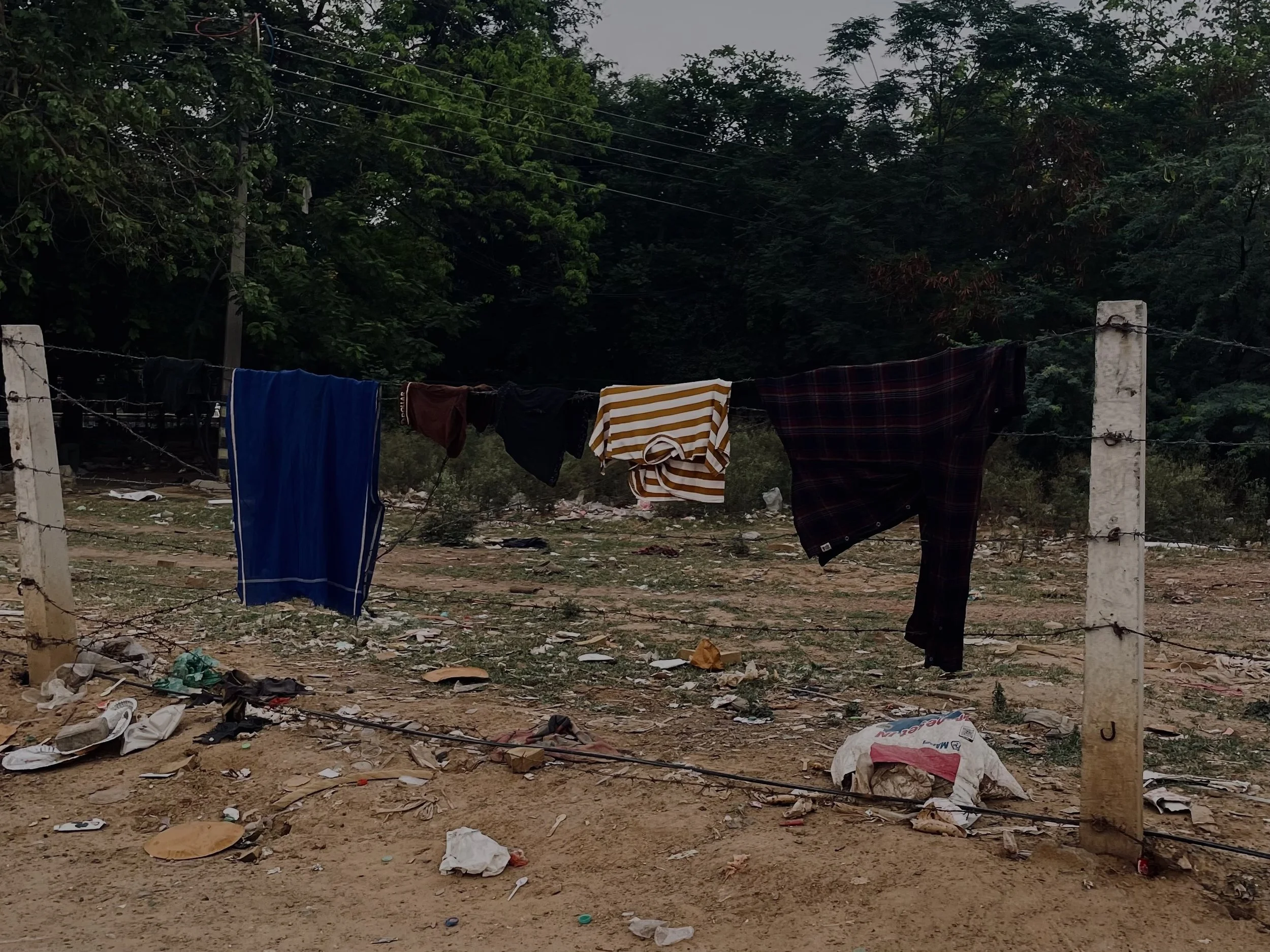
A Conversation with Nandish Kenia: Field Research & Community Perspectives
What does it really mean to live in poverty?
How can we better understand dignity, wellbeing, and quality of life beyond the numbers?
Drawing on 20+ years of field research across rural India, Nandish Kenia shares how qualitative research and community perspectives can deepen our understanding of poverty, development, and lived experience. His insights challenge conventional assumptions about wellbeing, highlighting the importance of context, trust, and listening to the communities themselves.
Across this interview series, we explore how field research shapes development practice, why survey design and interview techniques matter, and how AI can support - rather than replace - enumerators collecting information on the ground. Together, these conversations raise important questions about how we measure progress and how qualitative evidence can complement traditional development data.
Continue watching the interview series on LinkedIn, and stay tuned for more conversations.→
https://www.linkedin.com/feed/update/urn:li:activity:7483233047761584128/

The Impact of Technology in India
India is undergoing one of the most ambitious technology transformations in the world—one that is reshaping how people access financial services, government programs, information, and economic opportunity. From digital identity and mobile connectivity to artificial intelligence and platform-based delivery systems, technology is increasingly embedded in everyday life across both urban and rural contexts.
This documentary examines the impact of technology in India through a ground-level lens, exploring how digital systems are influencing inclusion, governance, and livelihoods. Through conversations with practitioners, researchers, and community voices, the film looks beyond headline narratives of innovation to interrogate how technology is actually experienced on the ground.
The film highlights both the promise and the tension of rapid digitization—how digital tools can expand access to services and markets, while also raising questions around exclusion, data governance, accountability, and power. Particular attention is given to communities navigating new digital systems amid structural inequality, limited infrastructure, and uneven institutional capacity.
By centering lived experience alongside broader policy and technological context, The Impact of Technology in India invites viewers to reflect on a critical question: how can technology be designed and deployed in ways that genuinely serve people, strengthen institutions, and contribute to inclusive and sustainable development?
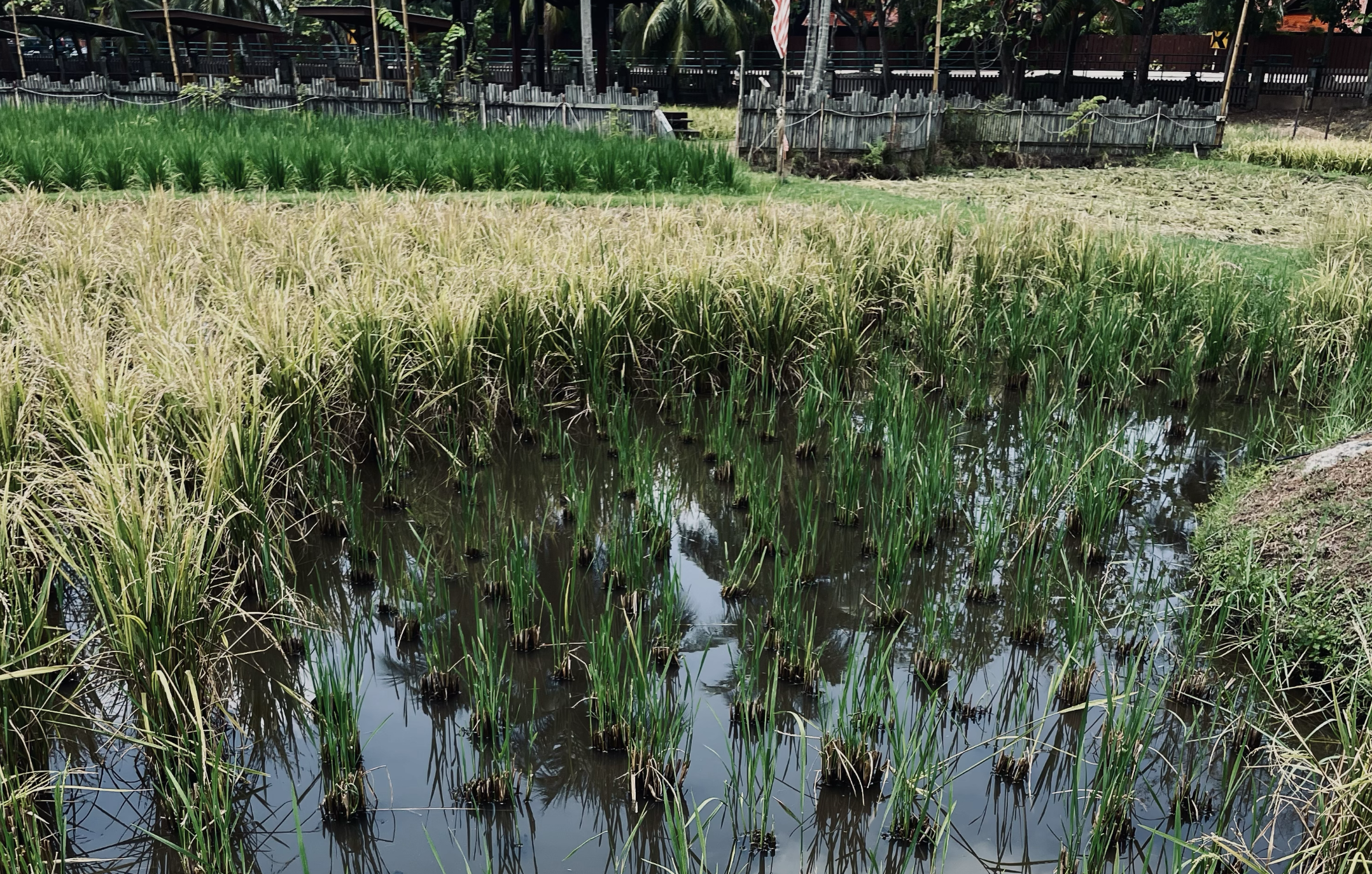
Laman Padi: The Importance of Malaysia’s Rice Fields
How does rice farming help feed an entire nation?
Rice is more than a staple food in Malaysia—it is central to the country’s food security, rural livelihoods, and cultural identity. Millions of Malaysians eat rice every day, while farming communities play a vital role in sustaining the nation’s food supply.
At Laman Padi (rice paddy in Malay) in Langkawi, Adeq explains how rice is cultivated across Malaysia, from upland and lowland farming systems to the challenges facing producers today. As climate change, global market pressures, and evolving agricultural practices reshape the sector, his insights highlight the importance of innovation, resilient farming systems, and the people who grow one of the country’s most essential crops.
Continue reading on LinkedIn, and stay tuned for more stories from this project. →
https://www.linkedin.com/feed/update/urn:li:activity:7483928464320851968/

Mangrove Loss in Malaysia
Why are some of the world’s most important ecosystems disappearing?
Mangrove forests are among the planet’s most valuable ecosystems. They protect coastlines from erosion, filter water, store significant amounts of carbon, and provide vital habitat for thousands of marine and terrestrial species. Yet despite their importance, mangroves continue to disappear due to coastal development, resource extraction, and other human activities.
Exploring the mangrove forests of Kilim Karst Geoforest Park in Langkawi offered a firsthand look at this remarkable ecosystem. From the intricate network of roots beneath the water to the complex relationship between tourism and wildlife, the experience highlighted both the resilience of mangrove forests and the growing pressures they face. Their future raises important questions about how conservation, sustainable tourism, and local livelihoods can coexist.
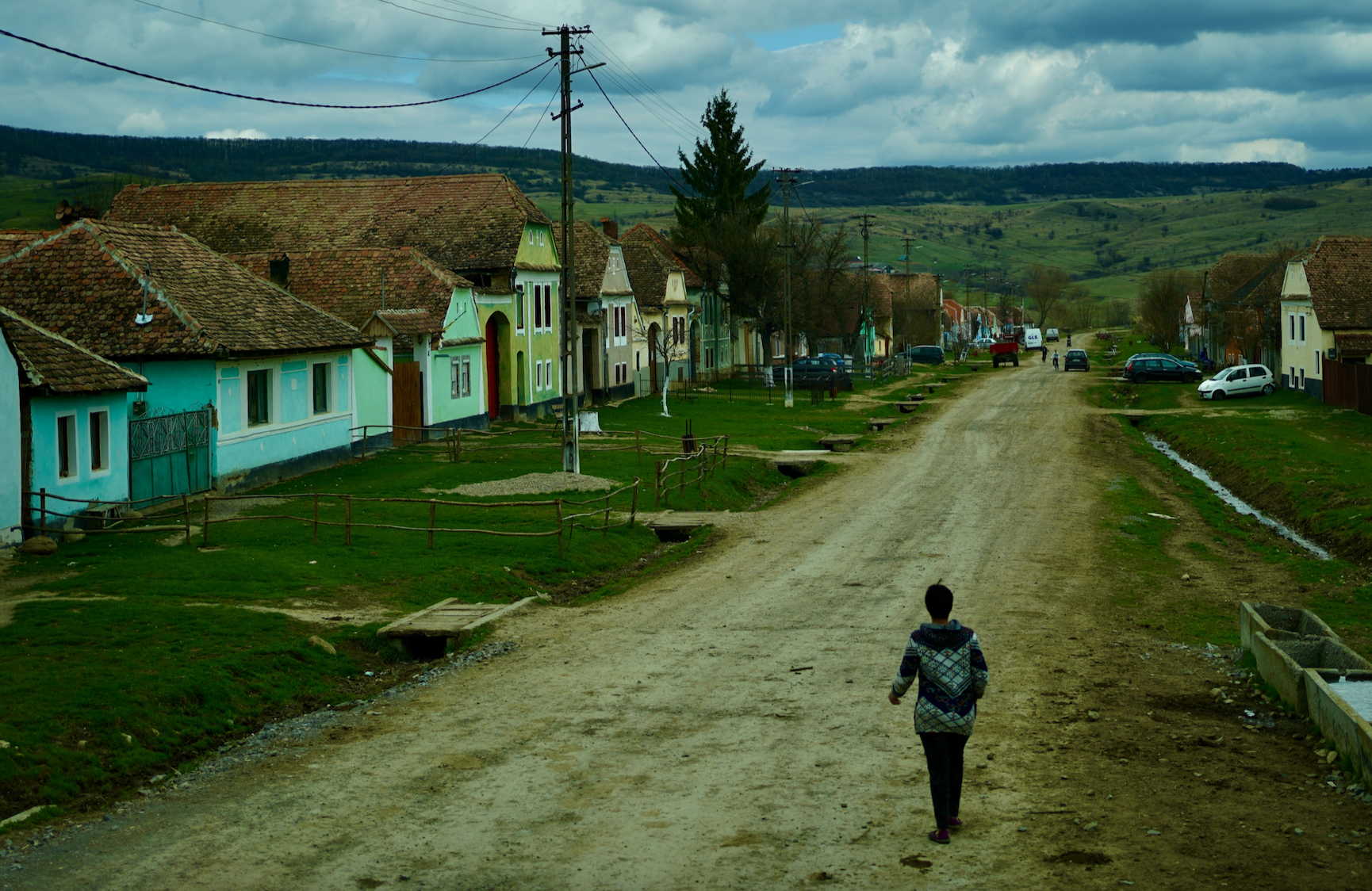
The Global Refugee Migration Crisis
The convergence of political instability in places such as Syria, Afghanistan, and Tigray, alongside the impacts of the COVID-19 pandemic and accelerating climate change, has resulted in mass displacement and placed millions of lives at risk. Together, these forces have fueled one of the most significant refugee and displacement crises in modern history. According to the United Nations, the global refugee population—particularly women and children—reached record highs in 2021, surpassing any point previously recorded. This crisis is not defined by a single cause or geography, but by a complex interplay of conflict, environmental stress, and systemic inequality.
This video explores the global refugee and migration crisis through a human-centered lens, moving beyond headlines and statistics to foreground lived experience. Through firsthand accounts and expert insight, the film brings together voices from across the refugee and humanitarian ecosystem to examine what displacement looks like in practice — and what it means to rebuild a life under conditions of extreme uncertainty.
Featuring perspectives from students, practitioners, and policy experts, the video highlights the realities faced by refugees who are forced to flee their homes and re-invent their lives in some of the most perilous and adverse circumstances imaginable. By centering lived experience alongside institutional and policy expertise, the film aims to foster deeper understanding, empathy, and engagement around one of the defining humanitarian challenges of our time.
Featured speakers include:
• Ghaida Ahmad — Islamic Relief USA; Johns Hopkins ’23
• Omar Bah — Founder, Refugee Dream Center
• Erol Yayboke — Center for Strategic & International Studies
• Carlee Wright — Johns Hopkins ’23
• Devon Cone — Refugees International
Paradigm Shifts in Energy Security: Renewable Proliferation
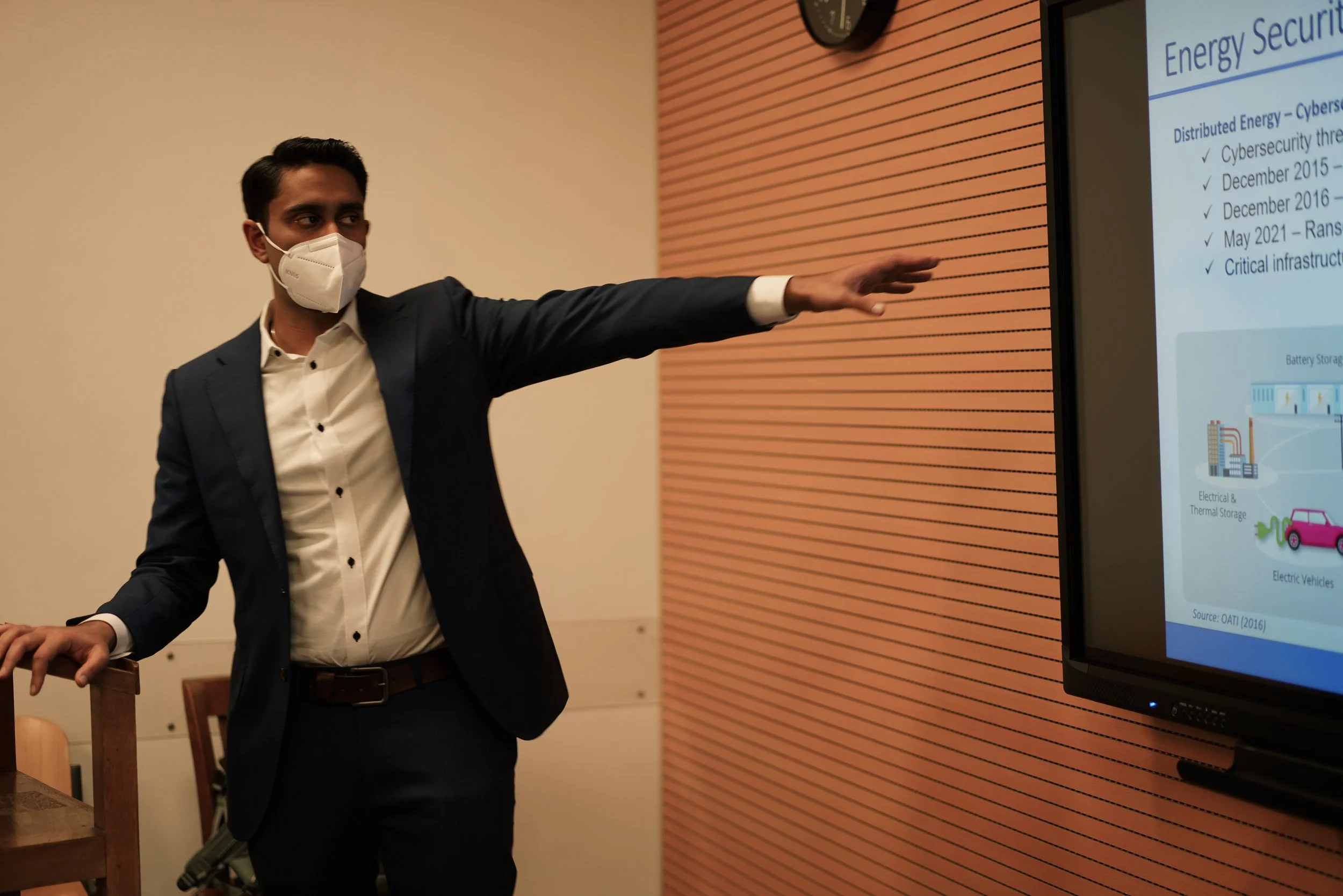
In this video, Arjan Sidhu, a climate and energy policy professor and practitioner, examines how global energy security is being reshaped amid geopolitical conflict, supply-chain concentration, and the accelerating transition to renewable energy. Framed against Russia’s invasion of Ukraine, the discussion highlights how traditional energy systems—dominated by oil, gas, and centralized infrastructure—have become increasingly vulnerable to geopolitical leverage, price volatility, and systemic risk.
Sidhu introduces a foundational framework for understanding energy security through four key dimensions: access, availability, affordability, and acceptability. Using real-world examples—from Europe’s dependence on Russian gas to global concentration in solar manufacturing—he illustrates how energy has become deeply intertwined with national security, economic stability, and geopolitical power.
The conversation then explores how renewable energy and decentralized systems are driving a paradigm shift away from centralized, extractive models toward distributed energy resources and digitally networked infrastructure. While this transition offers opportunities for resilience and energy independence, it also introduces new challenges, including cybersecurity threats, supply-chain nationalism, and shifting global power dynamics.
By connecting energy policy, geopolitics, technology, and security, the video underscores a central insight: energy security is no longer a standalone issue—it is foundational to economic, social, and national security in the 21st century.

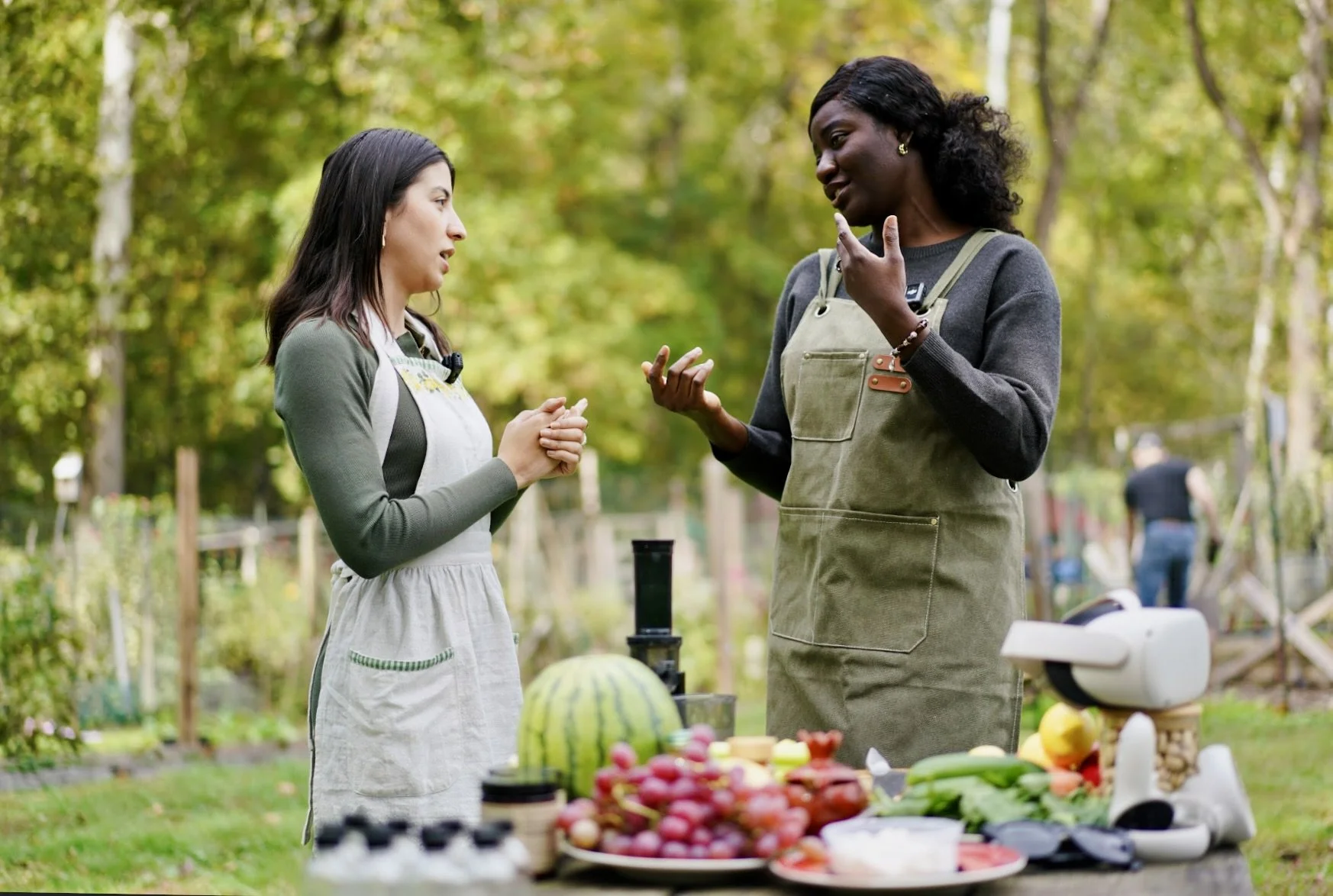
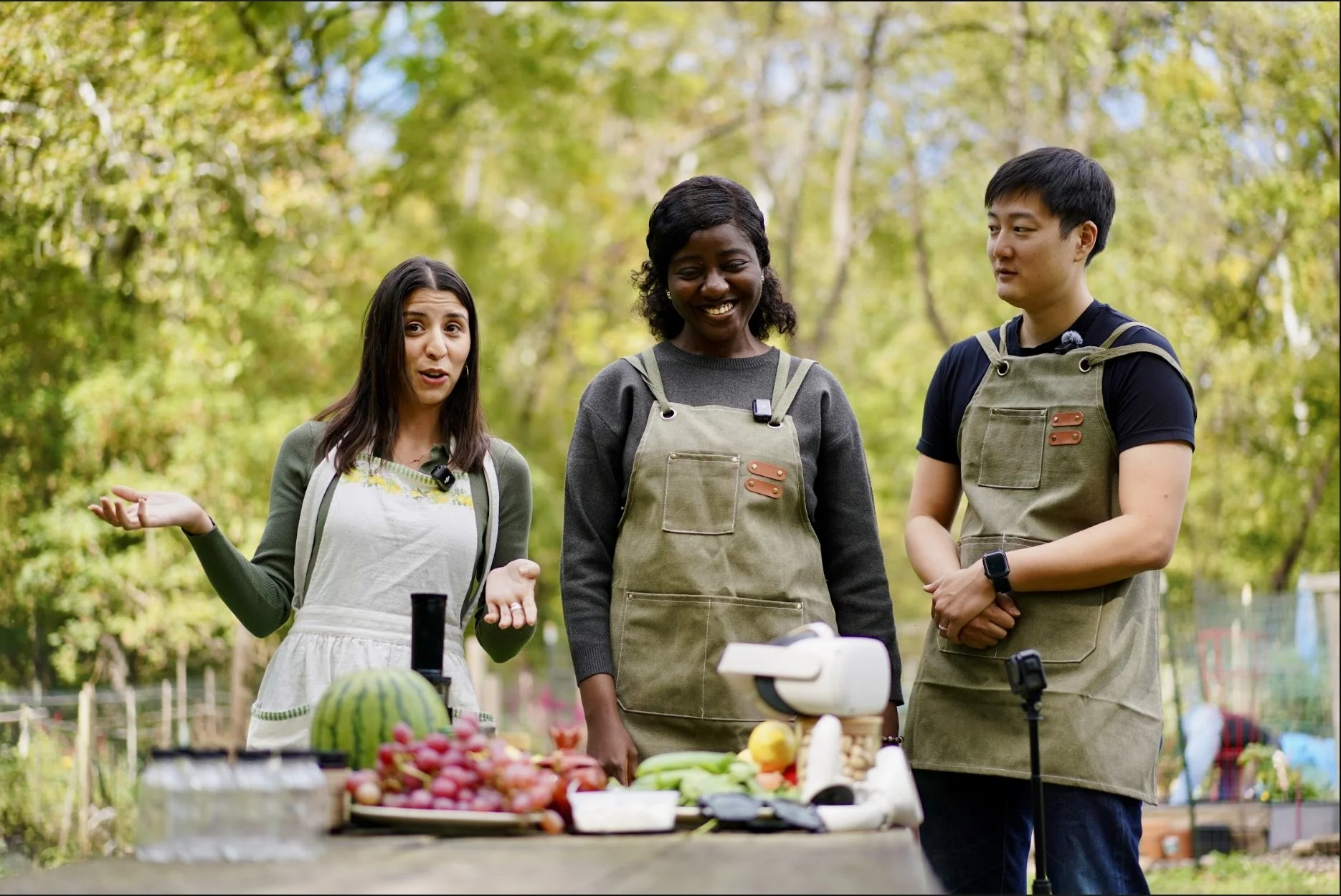
Upcoming: Cities Decoded — Virtual Reality for International Organizations


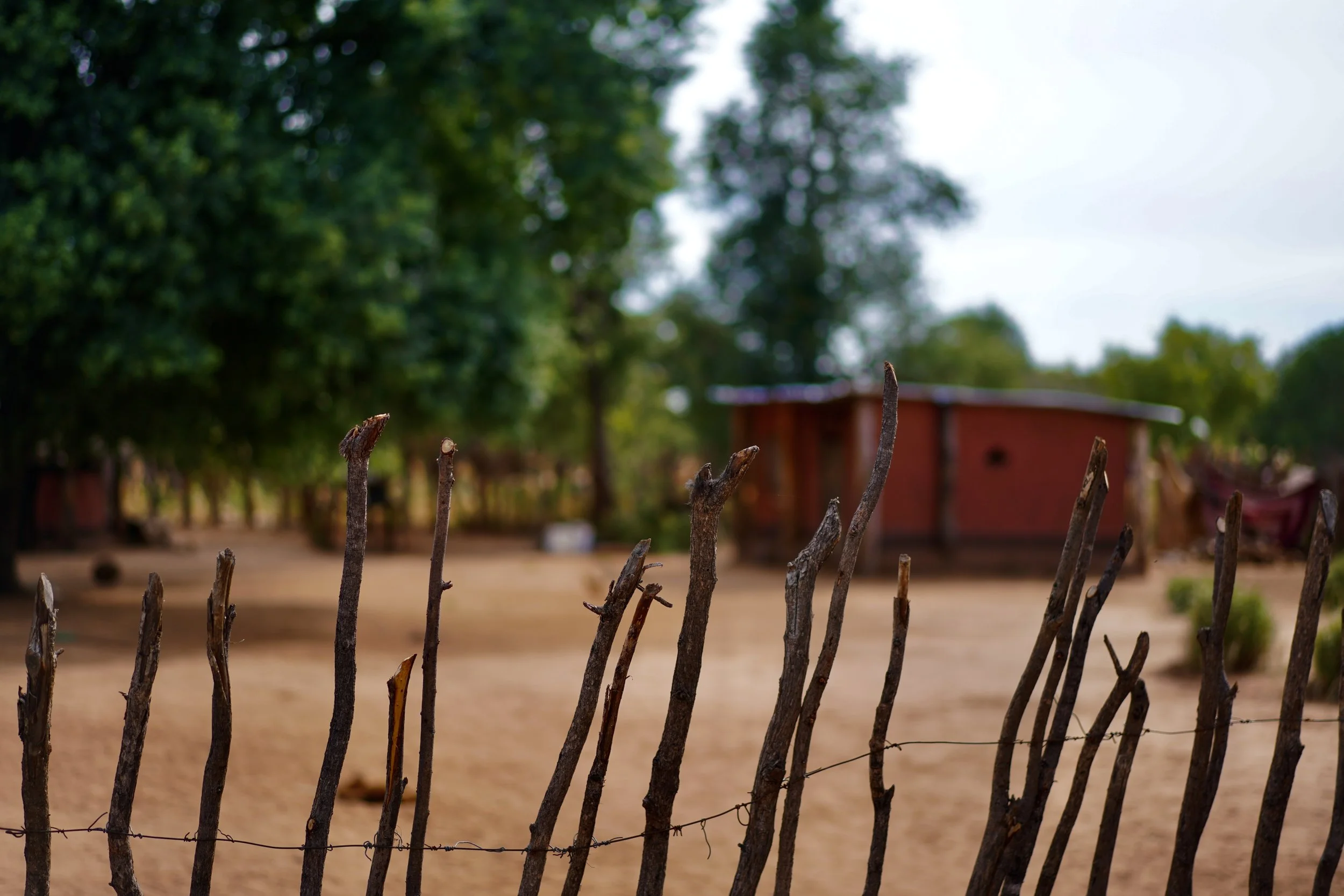
Upcoming: Zambia Field Research